15 Top Tips for First-Time Cruisers
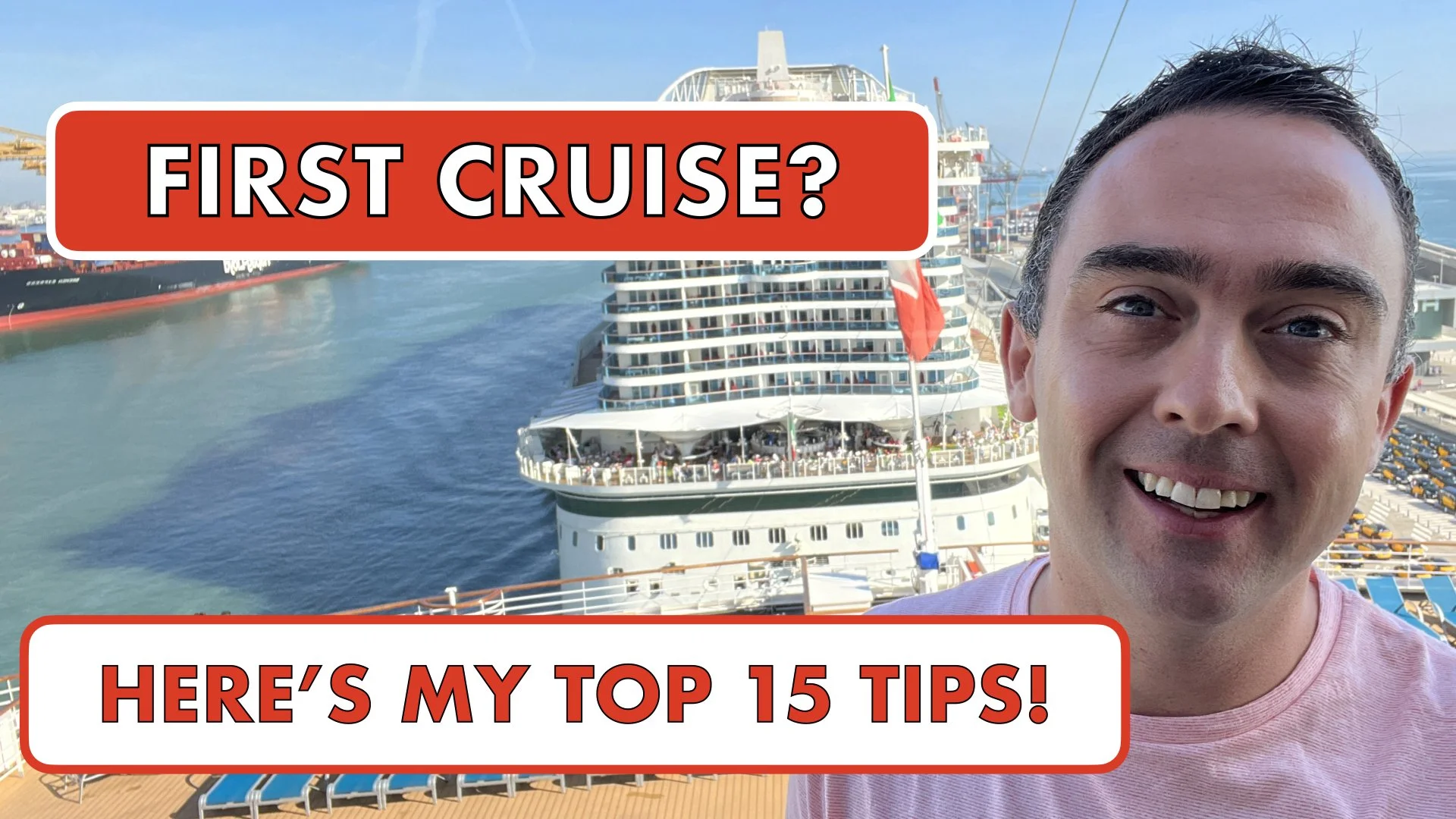
More people than ever are now trying their first cruise, and if you’re of them, there are some things that are important for you to think about in order to ensure that you have the best experience possible. In this post, I’m going to share with you 15 of my top tips for first-time cruisers. Some of these tips have come from mistakes that I often see first timers making, and others have come from things that I wish I knew before taking my first cruise.
I’ve now taken over 50 cruises, and I use my website and social media channels to share my cruise experiences, tips and advice to help others have the best experiences possible. If you’d like to support my content, then please come and check out my YouTube channel. I’d really appreciate you watching a few videos and, if you like what you see, subscribing to my channel. You can go there now by searching ‘Fraser at Sea’ on YouTube, or just click here to go straight there now!
Anyway, let’s get started!
1. Don’t choose the wrong cruise line, or the wrong cruise ship!
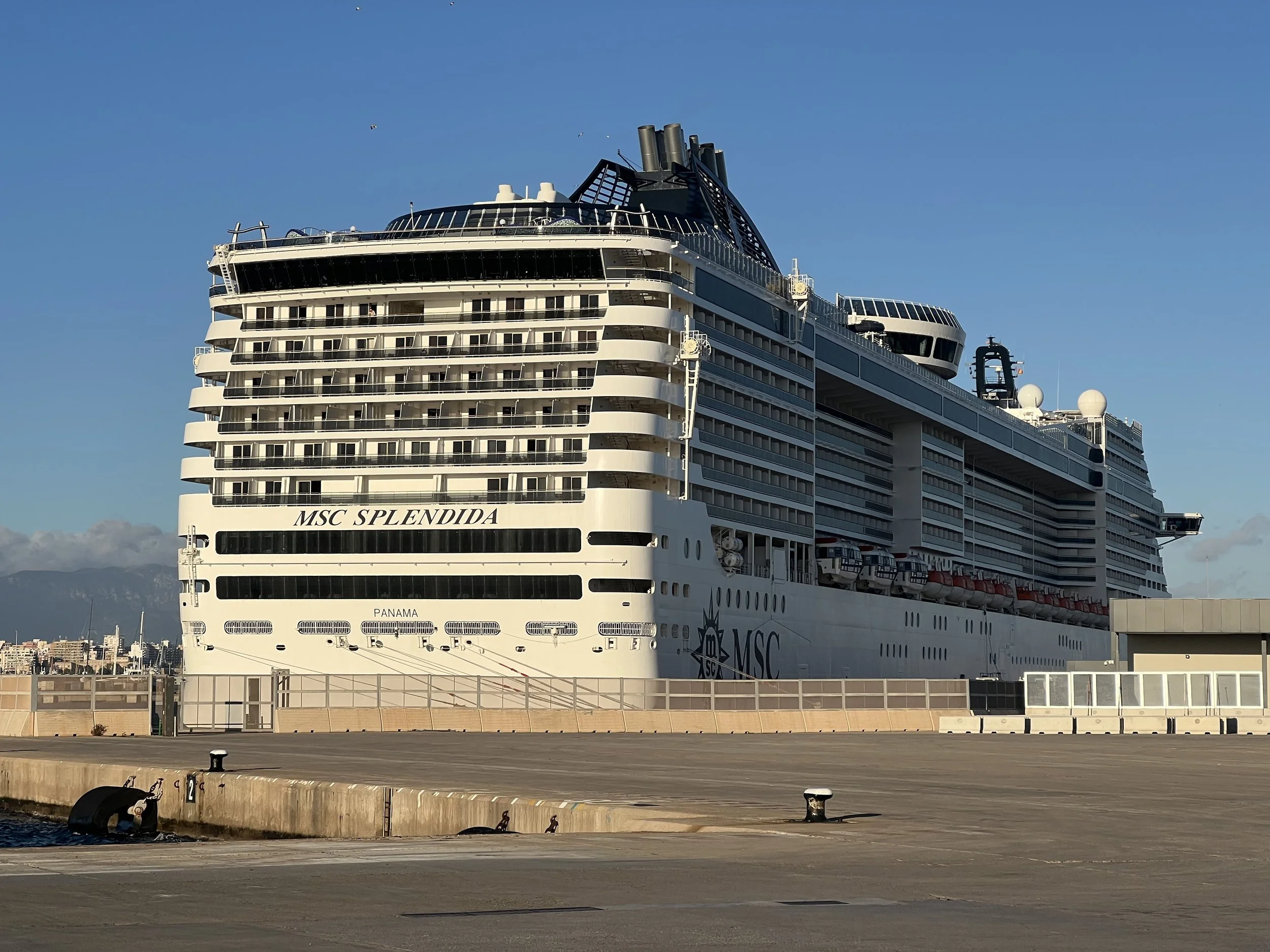
Here’s MSC Splendida, docked in Palma de Mallorca on one of my cruises. © Fraser at Sea.
Okay, this is one of the most frustrating and important ones, in my opinion. Before I took my first cruise, I had friends tell me that I’d never enjoy a cruise, as they had tried one a few years prior and didn’t enjoy it. When I asked which cruise line they’d travelled with, I wasn’t surprised - they were two 30 year olds travelling on a cruise line primarily aiming to attract the 60+ age demographic - d’oh!
The thought that all cruise lines and cruise ships offer the same product is a common misconception from those who haven’t cruised before, or those who are relatively inexperienced cruisers. The reality is the complete opposite: every cruise line offers something completely different, and even each cruise ship within a line’s fleet offers something different to the others!
Cruise lines like Cunard Line (Cunard) will offer you a much more traditional experience than the likes of Norwegian Cruise Line (NCL), but each of these cruise lines have their own ‘extremes’ within their fleets. NCL operate both large megaships and much more intimate, older cruise ships, offering a very different experience for passengers. Cunard operate very traditional ships in the likes of Queen Elizabeth or Queen Victoria, an ocean liner in Queen Mary 2, and also a very modern large cruise ship in Queen Anne.
You get the picture - every cruise line and cruise ship is different. It’s easy for me to close this point and move on by just saying to ‘do your research’, but if you’re new to this then you might be asking HOW you can do your research on this topic… I might be biased, but I genuinely think that one of the best ways to understand more about the core product that a cruise line is offering is through YouTube. Rather than scouring through endless numbers of official cruise line websites, search for the ships you’re looking at on YouTube, and see what people are thinking. Who knows - I might even have been on the ship that you’re looking at…
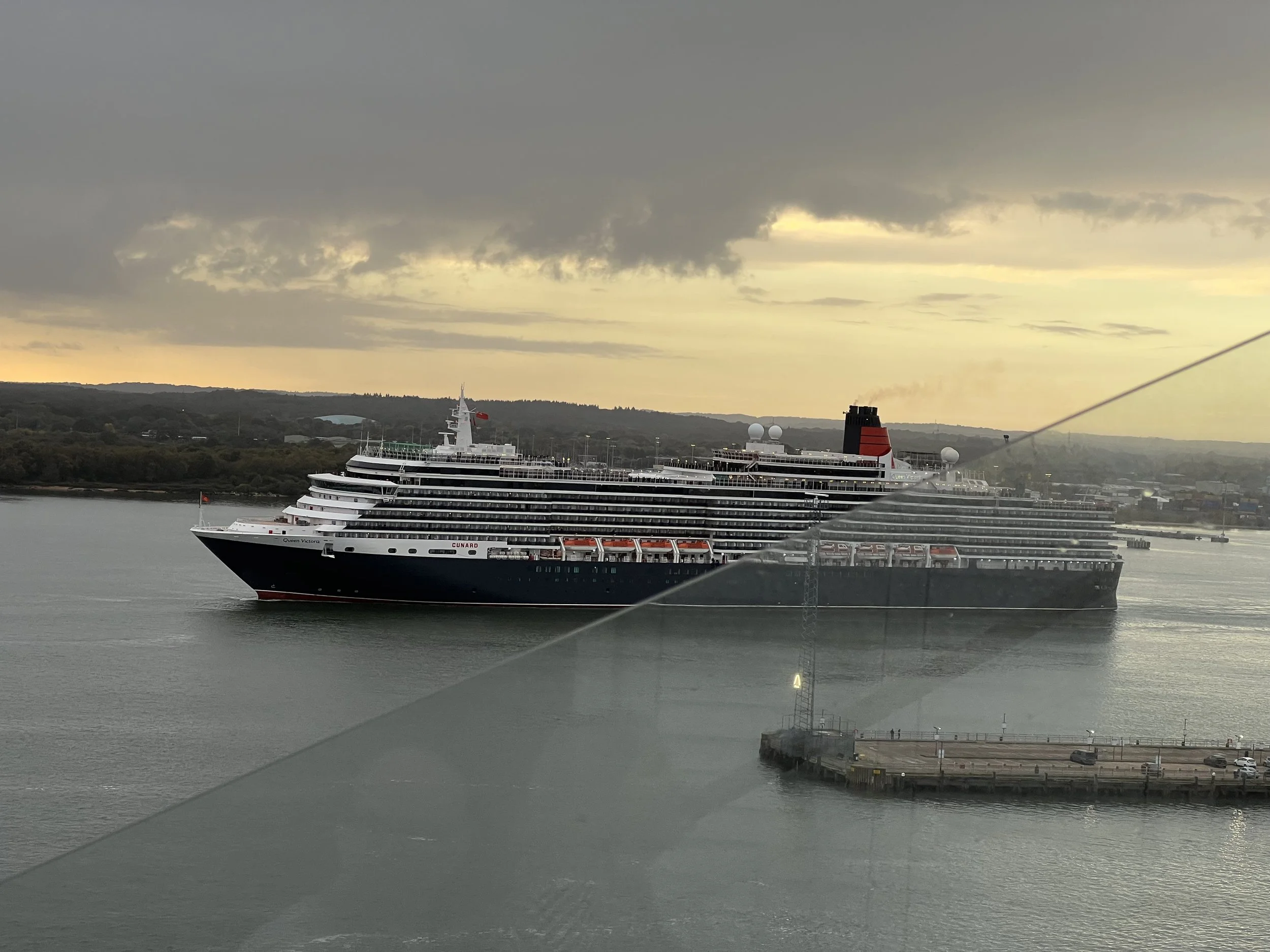
Cunard’s Queen Victoria offers a traditional cruising experience. Here she is sailing out of Southampton, England. © Fraser at Sea.
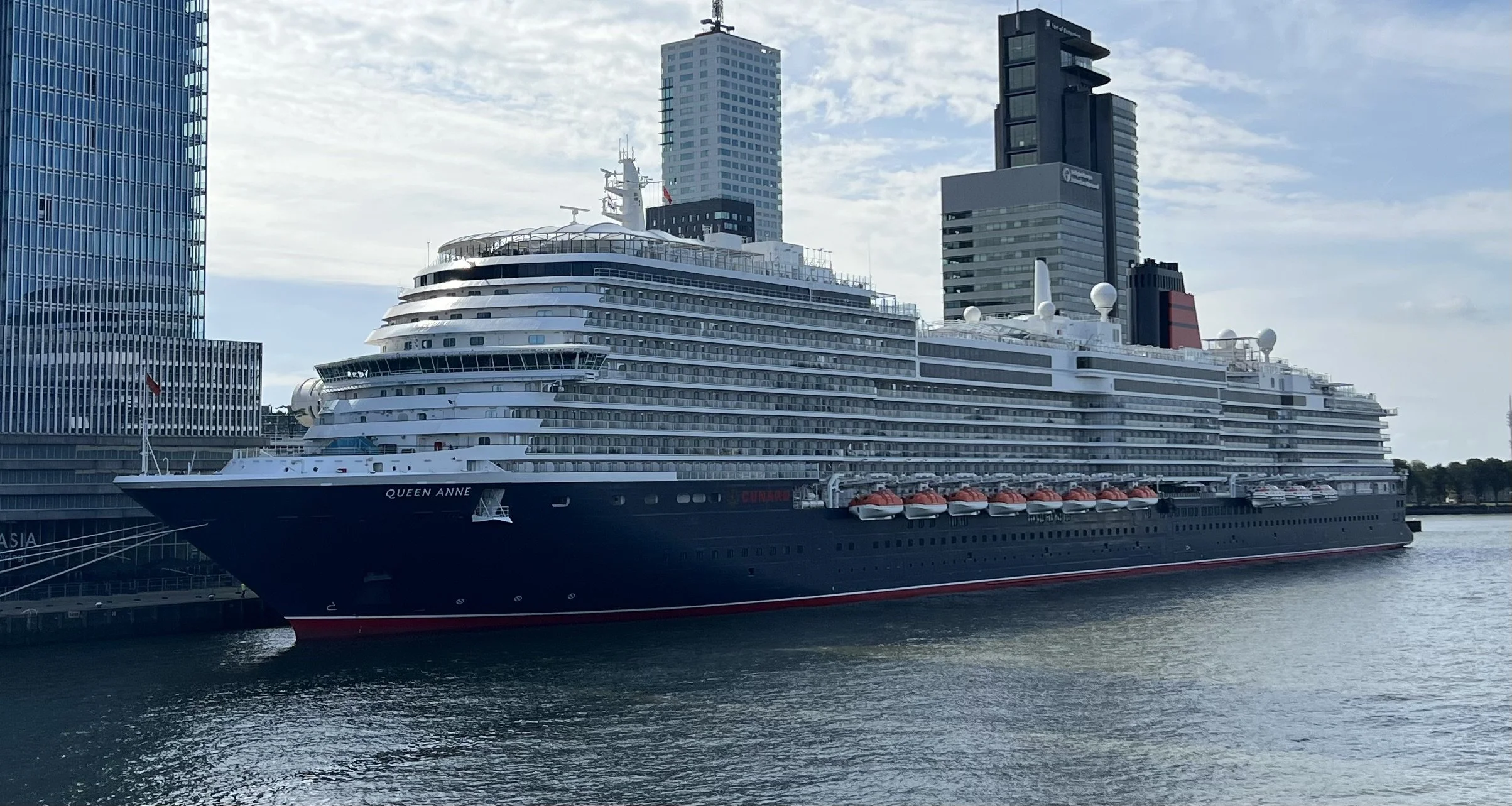
At the other end of the spectrum, Queen Anne offers a much more ‘modern’ experience than her more traditional fleetmates. © Fraser at Sea.
2. Choose the length of your first cruise carefully!
Think about it - if this is your first time on a cruise ship, you probably don’t want to be booking to cruise for multiple weeks - maybe try a week and see if you like it or not. In this case, the ‘best case scenario’ is that you love it and want to book another, with the ‘worst case scenario’ being that you don’t have long to wait until you head home at the end of the cruise. Don’t worry though - I’m confident that you’ll enjoy it…!
It’s worth considering that ‘length of cruise’ is a factor that can directly affect the age demographic onboard the ship. I didn’t realise this when I started cruising but, generally speaking, you’ll find a higher average age of passenger onboard a ship that’s operating on a longer cruise itinerary. This is largely due to the fact that older passengers are more likely to be more flexible as they’ll be retired etc, whereas younger cruisers might struggle to take longer period of time off from their jobs.
It’s not just the longer cruises that can have a slightly different average age to the typical cruise. Let’s now think about the shorter cruises, which can last just two or three nights…
You’ll often find groups of younger people on the short cruises, and you’ll often find these a popular choice for the likes of Stag and Hen parties. Of course they’ll be popular with Stags and Hens - you’re on a cruise ship with (depending on which ship) more than 20 bars - that’s more bars than most small towns could offer you on land…!
In my opinion, the real ‘sweet spot’ for a first cruise is a 7-nighter. Itineraries of this length will allow you to have plenty of time to explore and enjoy your cruise ship, alongside the opportunity to experience multiple ports of call. That said, if you don’t have that long to play with, then you’ll get a good feel for the experience on a shorter itinerary - just keep in mind the above points!

You’ll often find a younger, more ‘party-centric’ crowd on a shorter cruise. © Fraser at Sea.
3. Think carefully about the grade of cabin that you want to book for your first cruise.
When I started cruising, people told me that I wouldn’t spend much time in the cabin, and that I’d only be in there to sleep, shower and change. They explained that I’d spend the rest of the time out enjoying the facilities that the ship had to offer. For my first few cruises, I’d agree with this - I was so obsessed with the scale of the ship that spending time in my cabin felt like such a waste.
However, as I’ve taken more cruises, I’ve started to spend more time relaxing in my cabin. For this reason, I’m now more likely to book a more ‘premium’ cabin grade, because I know that I’ll probably spend more time in there. That said, I’m still more than happy in an inside cabin. Infact, I really love inside cabins on cruise ships - I’ll explain why in the YouTube video below…
4. Think about WHERE you want your cabin to be on your first cruise!
As a new cruiser, you might not even realise that the location of your cabin can significantly impact your cruising experience. When you book your cruise, you’ll likely be given two options when it comes to selecting a location for your cabin.
First, you can opt to book a ‘guaranteed cabin’, which means that the cruise line will assign your cabin to you closer to your sailing date. Second, you can pay a little extra to choose the exact cabin that you’d like to cruise in. Personally, I almost always opt to save money by allowing the cruise line to assign my cabin to me (I’m happy almost anywhere), but there is good reason why a newer cruiser might want to choose their own!
Here’s some points to think about…
Neighbours - the quietest cabins will be those surrounded by other cabins - do you really want to be directly above the nightclub on the ship? On this point, the best cabins to book are those with cabins on either side, and also above and beneath them!
Connecting cabins - do you need a connecting door to the next cabin? If so, great - you’ll be able to get these on cruise ships! If not, you probably won’t want an adjoining cabin joined onto yours, as the sound-proofing is never as good with these!
Movement - you’re going to feel the most movement at the front and the back of the ship, with less being felt in the ‘mid ship’ (middle of the ship) area - that’s why these cabins often cost a little extra to book!
There are SO MANY things to think about when choosing where you want your cabin to be, but there’s some points to get you started! If you’d like to keep learning about things like this, then be sure to sign up to my free email newsletter - I’ll drop into your inbox occasionally with lots more posts and videos that should help you to upskill in everything ‘cruise’! Click here to sign up now!
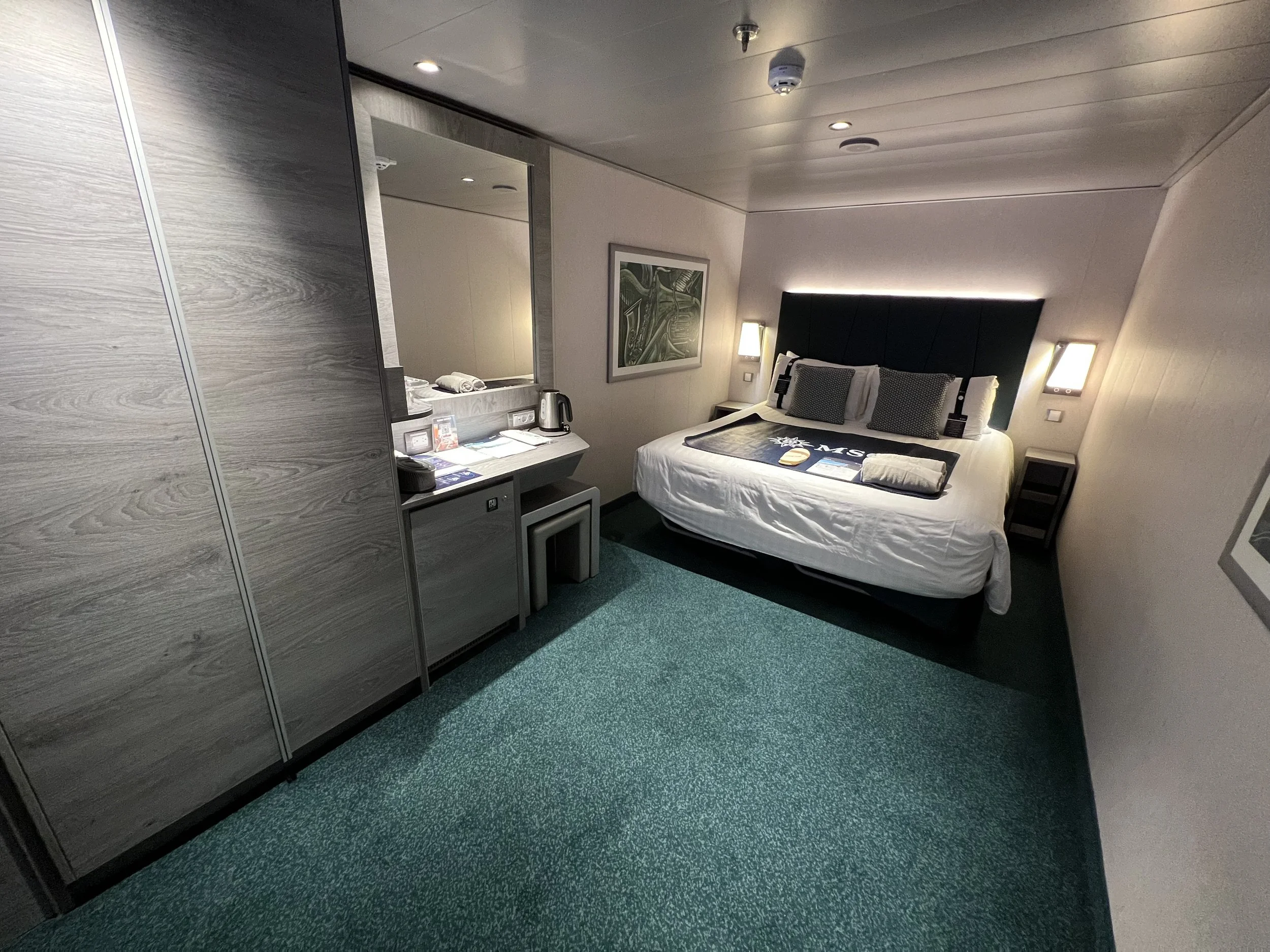
You’ll probably want to think about the location of your cabin on your first cruise… © Fraser at Sea.
5. Add any packages you know you’re going to use or book on the cruise to your account BEFORE the cruise!
This one’s easy: if you know that you’re going to purchase a ‘package’ for your cruise, add it to your booking and pay for it before your cruise! By ‘package’, I mean things like drinks packages, wifi packages, photo packages, speciality dining packages, and so on. All of these things are probably going to be cheaper to buy before you board the ship.
Cruise lines will often allow you to save around 10%-15% (and sometimes even more) by ordering your packages upfront. I meet so many new cruisers who wait until they board the ship as they assume that the cruise line will offer some sort of crazy incentive on the first day of the cruise, in a last-ditch attempt to encourage people to sign up to a package. This isn’t the case - the opposite is usually the case - you’re then part of a captive audience, so you’ll pay more.
Not only will you save money by booking in advance, but booking things like speciality restaurants will allow you to get the best choice of dining times. If you wait until you’re onboard, you’re going to have to hope that those who booked in advance haven’t booked all of the best slots (which, of course, they will have). The same logic applies to Shore Excursions - you’re going to have the best chances of securing the excursions you want to go on if you book them before you board the ship!
To add a package to your cruise account, just use your booking reference to log into your online account on your cruise line’s website. Most of the online booking systems will usually close around 3 days before your ship sets sail, so it’s never a good idea to leave it until the last minute. Once you’ve booked your cruise, if you know that you’re going to purchase a package for your cruise, log in and add it to your booking - it’s super easy!

Hoping to book a specific Shore Excursion? You’ll want to book it before your cruise to ensure it doesn’t fill up! © Fraser at Sea.

Want a drinks package? You’re usually best to add it to your account before the cruise! Of course, if you’d rather, you can ‘pay as you go’ with drinks onboard if you’d rather avoid a package! © Fraser at Sea.
6. You don’t need to book expensive cruise line excursions - there are other options!
I’ve met lots of people who assume that they’d need to take an official cruise line excursion to see the sights once the ship docks. That’s not the case, at all! Once docked, there are two options for exploring ashore, and these are available for all passengers onboard:
1) Take a cruise line excursion. This is where the cruise line will take you on a trip (that you pay a ‘per person’ price for). They’ll usually put you on a coach outside the terminal, show you the sights and then bring you back to the ship at the end of the tour.
2) Explore independently. This is where you leave the ship in your own time to do exactly as you wish for the day.
I think people get confused about the second point following post-COVID cruises - when the industry restarted, lots of cruise lines only allowed passengers to leave the ship if they were on an official excursion. Now that we’re through the other side of all of that though, it’s back to ‘normal’, and you can head ashore on your own! In other words, don’t worry that the cost of a cruise will sky-rocket if you want to leave the ship - some of my favourite cruise days ever have been the ones where I’ve woken up and went for a walk from the ship to explore independently!
If you’d like to explore independently but would still like the structure of a tour, then why not consider a third-party tour operator? The example I’d give you here is Viator: I’ve used Viator for walking tours and food tours in multiple cities, and I’ve always been really happy with what they offer. They’ll tell you where the meeting point is for your tour (or they might even collect you from the cruise port!), and they’ll show you the sights usually at a far reduced rate versus the cruise line. With companies like Viator, you’re often supporting small, local businesses.
If you’d like to take a look at what Viator has got to offer (they operate in cities around the world), then just click here.

I took a walking tour with Viator in Split, Croatia. It was excellent, packed full of historical information about the city! Click the image to explore more options with Viator. © Fraser at Sea.
7. Choose your itinerary carefully - Research the ports to be sure that they’ll deliver what you want to get out of the experience
Think about the type of cruise that you want - do you want it to be relaxing and full of beach trips, or do you want to be visiting huge cities almost every day? Maybe you want a blend of both, with some city experiences merged with beach day experiences. Well, the good news is that cruises can offer you just about any experience that you’re looking for. Believe it or not, I’ve even taken cruises where some of the most popular things to do are HIKES from the ship! Yes - you read that correctly - hikes!
The reality is that each cruise itinerary will offer you something very different. Generally speaking, the Caribbean itineraries will offer you access to some of the world’s most incredible beaches, while itineraries in the Mediterranean will offer you city after city. That said, you will get beach-y ports in Europe too, which is why you need to do some research!
Don’t worry - it’s super easy to do your research on what cruise ports have got in store for travellers. For a start, you’ve already found me! I’ve filmed loads of port days for my YouTube channel - just search on YouTube for the ports you’re going to, and I’m sure you’ll find someone who’s been, and would love to show you around!
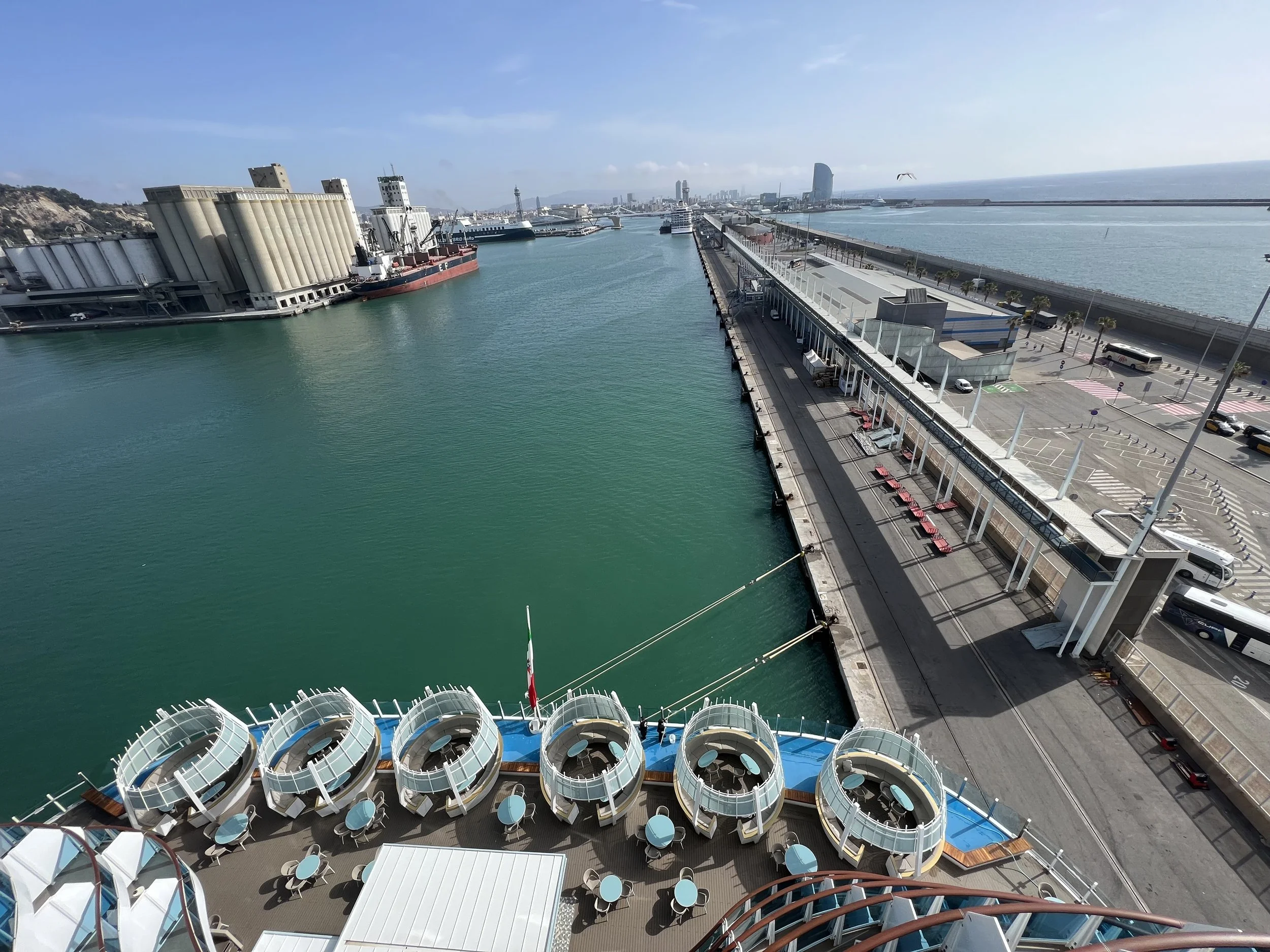
Do your port research before you even book your cruise - will the ports on your itinerary deliver what you’re wanting them to? © Fraser at Sea.
8. Take motion sickness medication with you!
This one speaks for itself - you’ve never been on a cruise before, so how do you know how your body’s going to react to being ‘at sea’? Some people absolutely love it (I’d put myself into that camp), but others do struggle at times. For that reason, it’s really important that you travel with some basic travel medication.
You can buy things like motion sickness tablets over the counter from your local pharmacy - I’d always recommend these, if you’re able to take them! You can also purchase things like motion sickness bands (these are little wearable bracelets that help to apply a slight pressure to your pressure points on your wrist) - there are loads of options out there!
I’ve been absolutely fine on most of my cruises, but one of my most recent ones saw me get pretty seasick on our only sea day. I was so disappointed to not be feeling 100% myself, but thankfully I had medication with me that I could quickly take to bring me back to my usual self.
A quick point on this: did you know that ginger and green apples are said to help with sea sickness? Don’t worry - lots of people don’t! In the below YouTube video, I’ll share exactly how to combat sea sickness with you - some of these approaches might just surprise you…!
9. Take an analogue watch with you on your cruise!
On cruises, you’ll often encounter time changes. On some itineraries, the clocks won’t change - it’ll all depend on where and when you’re sailing.
It does feel strange to be moving clocks forwards and backwards outside of the usual ‘spring forward, fall back’ cadence that we live with here in the U.K., but I do really love when the clocks go back and I gain an extra hour in bed. That said, let’s not talk about how I feel when I need to move my clock forward again - I hate losing an hour of sleep overnight…!
If you travel with just a digital watch or digital phone, then this device may update automatically when you cross into a new timezone territory. That could result in you waking up an hour earlier than planned - or worse - an hour later than planned! I always set my phone to not update the time automatically, but I also travel with an analogue watch so that I can be absolutely certain what the ‘ship time’ is. That way, I know that I’m not going to miss the ship because my time has been out by an hour…!
It’s always worth double checking the ‘ship time’ versus your watch when you leave a cruise ship. On some itineraries, particularly if the ship is only visiting a certain timezone for a short period of time, the cruise lines can decide to not alter ‘ship time’ to match ‘local time’. This situation is where I’ve seen the most cruisers miss their ships - don’t be one of those people…!!
It’s so easy and light to pack an analogue watch, so slip one into your bag for your next cruise - it would be far more problematic if you missed the ship and instead had to travel to meet it somewhere, wouldn’t it…?!
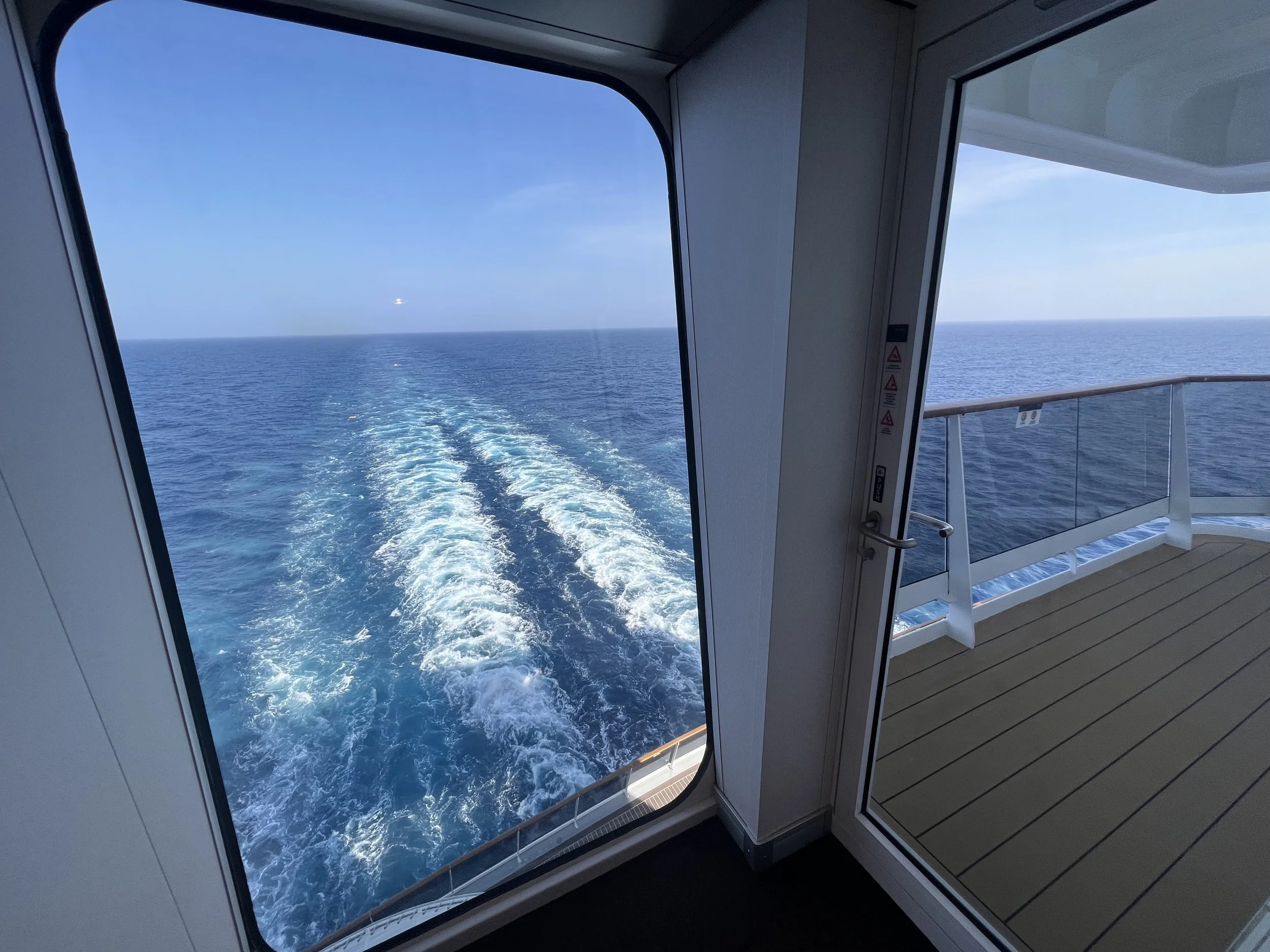
Don’t let the ship set sail without you - pack an analogue watch in your case! © Fraser at Sea.
10. Before your cruise, plan what you want to do onboard the ship
Picture the scene: you’ve just boarded your first ever cruise ship, and you’re standing on Deck 4 of 21. How are you going to see everything that this ship has got to offer in just 7 nights when you can’t even remember where your cabin is?!
Fear not - this is a very common thought from new cruisers, and there are a few things you can do to help this feeling.
The best way that you can prepare yourself for your cruise is to do some research before you step onboard. Understanding what facilities are on your chosen cruise ship is a great place to start. You can do this by reviewing deck plans on cruise line websites, or you could head to YouTube to check out some ship tours. In my opinion, ship tours are absolutely invaluable, as they offer you the ability to check out every venue on the ship in advance of going onboard.
Ship tours allow you to feel familiar with a ship that you’ve never been on before - they’re such a useful resource.
As you watch a ship tour for your chosen cruise ship, make some notes. What would you like to do onboard? Which decks are your favourite facilities on? Where is the buffet? Where is the dining room? There are loads of things that you can think about in your planning, but hopefully this has given you some ideas as a good starting point!
A ‘top tip’ I would give you when you’re looking at the facilities onboard your cruise ship is to try to identify the ‘big ticket items’ that so many people are going to want to do. An example I’d offer here is ‘Venom Drop’ on MSC World Europa - it’s a huge dry slide that takes you from the top deck down to the Promenade much further down on the ship. If you plan to do things like this while on your cruise, plan to ‘tick them off’ during a quieter period.
For example, days when the ship is ‘at sea’ are going to be much busier than port days - worth thinking about! In the example of Venom Drop, I wouldn’t need to wait in a line to slide down while the ship was in port, but I could end up waiting for around 30 minutes (or more) on a sea day. I don’t know about you, but that’s time that I’d rather be spending elsewhere, rather than waiting in line…!

‘Venom Drop’ is the huge dry slide onboard MSC World Europa, pictured above. © Fraser at Sea.
11. Think about the cost of being connected…
Okay, let’s talk about Wi-fi. When I started cruising, I assumed that this would just work like a land hotel, where I’d be given a login when I arrived at the ship, and I’d be able to connect my phone or laptop to their network. I guess it does - to a degree - but it comes with a hefty fee in most cases.
There are some cruise lines out there who will offer you some form of complimentary internet connection. This will usually be a basic internet package, which you’ve got the option to pay extra to ‘upgrade’ from, which will give you faster connection speeds and the ability to stream, for example. To stress though, this is the minority of cruise lines.
Most cruise lines will offer you Wi-fi packages that you’re able to purchase either by day, or for the duration of your cruise. These packages can sometimes by eye-wateringly expensive, but they do give you an internet connection while the ship is out at sea. There are a few reasons for internet on cruise ships being expensive, but one of the main reasons is that the ship is relying on satellite connections. Expensive packages mean that not all 5,000 passengers (for example) will be logged in, meaning that the speeds are more manageable for those who do need a connection during their vacation.
Over the last few years, the connections on cruise ships have improved significantly with the introduction of products like Starlink, but they’re still expensive. You should expect to pay upwards of $20 (USD) per day to be fully connected while you’re cruising, with some packages being DOUBLE that price!
In short, think about the internet - do you need to be connected, or would you rather save the money to spend elsewhere?
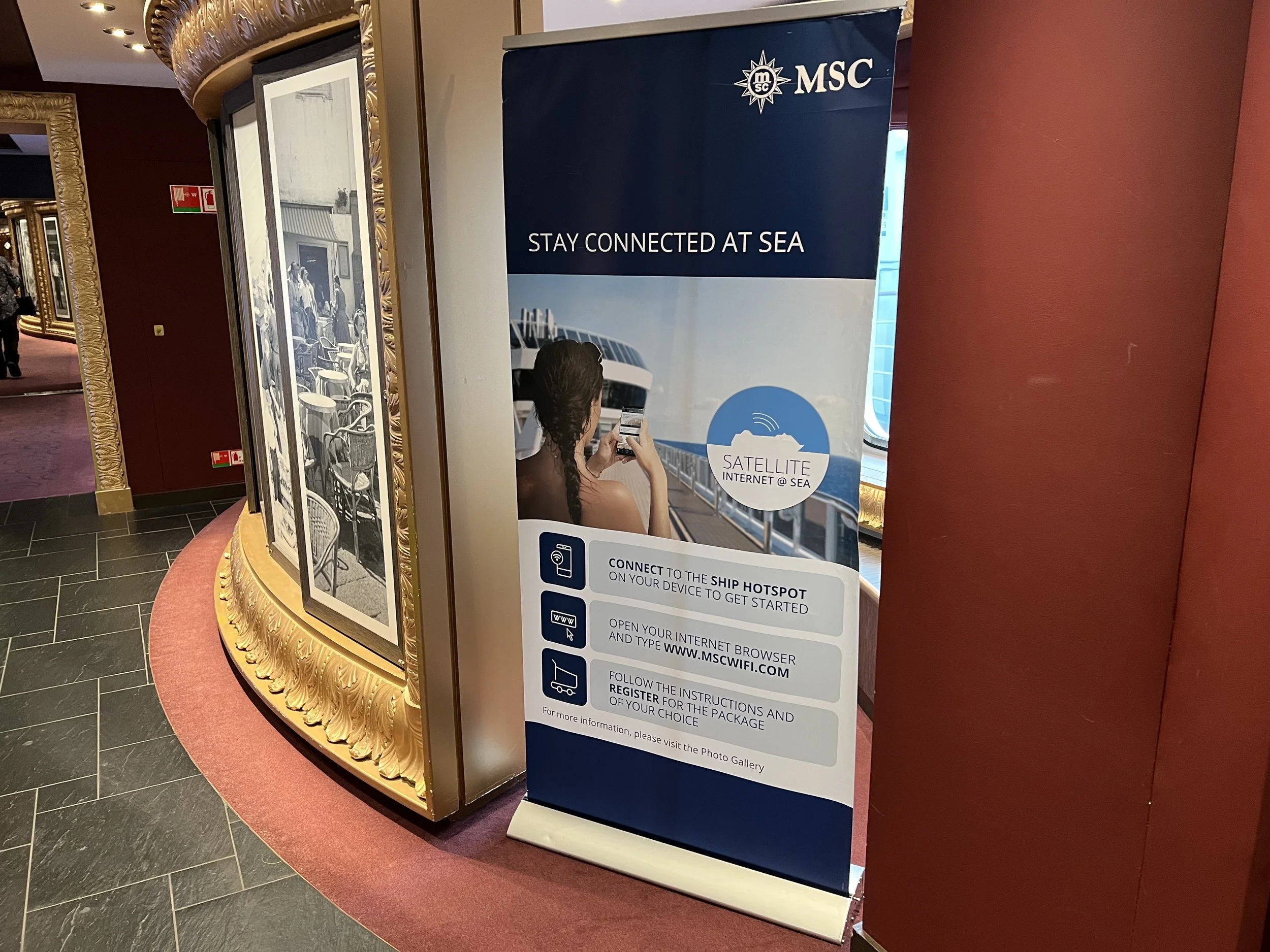
It can be expensive to be fully connected while you’re ‘at sea’. Think about it - is it worth it? © Fraser at Sea.
12. Remember to activate ‘Airplane Mode’ on your phone when the ship leaves port!
There are some things that you should do with your phone when you cruise, and one of them is turn on Airplane Mode. When your ship leaves port, you’ll quickly lost your phone signal, as that connection relies on transmitters and masts ‘on land’. Out at sea, your device will probably connect to one of the maritime networks, which are designed more for the shipping industry and emergencies, rather than cruise passengers.
For this reason, the cellular networks that you’ll connect to out at sea are VERY expensive - I couldn’t believe the prices of them when I did some research into it.
I’ve heard of so many passengers over the years, who go for dinner and leave innocently their phone back in the cabin. When they return at the end of the night, they realise that their phone has been on the desk trying to retrieve emails over the cellular mobile network, or quietly playing music through Spotify on an internet connection. This basic task can cost hundreds of dollars (depending on what it’s trying to pull across) - absolutely worth remembering!
On the point of Spotify, remember that you can use lots of ‘download’ services to allow you to use streaming services while you’re offline. For example, Spotify has a function that allows you to ‘download’ playlists that you can then play when you’re not online - you don’t need an internet connection once you’ve downloaded what you want to listen to!
If you’ve connected your device to the ship’s Wi-fi network, then keep your phone on Airplane Mode - you don’t need to disable this to connect to a Wi-fi network.
Let’s move on to number 13!
13. Do your research well in advance to find out if there are any Visas or entry documents that you need to apply for for your cruise
As frustrating as this task can be, it’s one of the most important ones for any cruise. Can you imagine how frustrating it would be to arrive at the cruise port, bursting with excitement to board your cruise ship, to then be denied boarding because you don’t have the correct paperwork?
I took a cruise out of Dubai, and witnessed a couple being denied boarding because they didn’t have the correct paperwork to transit through one of our ports of call - I’d imagine that must’ve been an incredibly difficult pill to swallow for them after travelling the Middle East.
Cruise lines will usually offer you some advice, but you really should be checking the requirements on both your Government website, and also the official website of the country that you’re planning to visit on your cruise. It won’t take long to find the answers that you’re looking for - in this example, Google is going to be your friend!
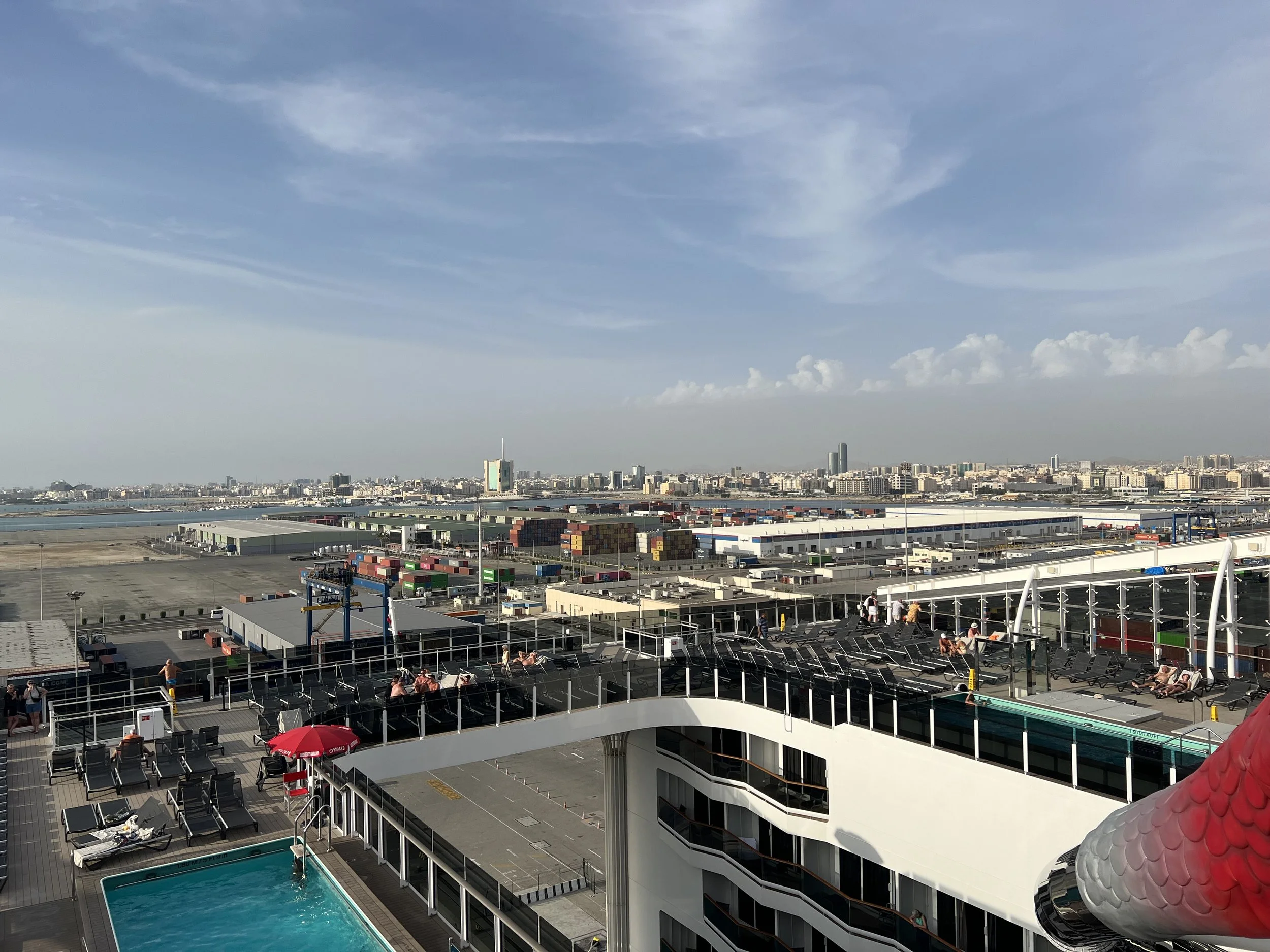
Be sure to check what documents you’re going to need to enter your ports of call. If you don’t, you might be stuck onboard while everyone else goes exploring - or worse - you could be denied boarding on embarkation day! © Fraser at Sea.
Always be careful when you’re applying for Visas, particularly when a payment is involved. There are so many companies out there who are more than happy to make some quick money from vulnerable tourists. Your Government website will usually link to the official website for Visas elsewhere - better safe than sorry!
14. Research your cruise line carefully to understand exactly what’s included!
If you’ve just started cruise shopping, you’ve probably already noticed that cruise lines differ MASSIVELY in price. One of the reasons for this can be that they offer very different things as part of their onboard experience - no two cruise lines are the same!
Sure, some cruise ships will charge more because they’re considered to be ‘luxury’ ships. When you cruise on there, you’ll probably be sleeping under more luxurious bedsheets, walking on plush carpets and maybe even eating from designer plates in the dining rooms. However, it’s not as easy as looking at what physical things are different, because some lines have a slightly different approach…
With some cruise lines, the initial price can appear high, but when you research and discover that they include things like a Wi-fi package for all guests, soft drinks while you’re onboard, wine with meals and maybe even shore excursions, you start to see that they’re actually not that expensive. I found this really interesting when I first started cruising - and still do now! I can take some really cheap cruises, but by the time I’ve spent what I ‘need’ to spend onboard, I can be hundreds of dollars lighter. If I’d opted to cruise with the more ‘premium’ cruise line that offered some of my purchases for free (or ‘included’ in my fare) in the first place, then I would’ve ended up paying roughly the same.
You can find out what’s included on each cruise line’s website - if they’re including things in your fare, you won’t need to search far to find it. They’ll be shouting about it to encourage you to book with them, after all!
Each cruise line will offer different inclusions. It’s worth checking what that could mean for your cruise… © Fraser at Sea.
15. Think about the ‘hidden costs of cruising’, and then plan your budget accordingly!
It really frustrates me when I meet people on ships who are surprised at some of the ‘hidden costs’ that they’ve encountered throughout their cruise experience. Once you’ve taken a few cruises, you realise that these costs aren’t hidden at all, but they can catch you off-guard the first few times you get onboard.
In the below YouTube video, I’ll share all of these costs with you, so that you won’t be taken by surprise on your future cruise. If you’ve enjoyed this post today, then please stick around for more! I’m constantly building this website up to hopefully offer you more and more value for your future cruises. Sign up to my free email newsletters to never miss out of any of my content - click here to sign up now!
Hopefully see you in another post on the website, or over on YouTube - thanks for your time, and happy cruising!